A natural process with a billion year track record
Accelerating the Earth's natural process to manage atmospheric CO2
Originally published on Substack
Rocks have been binding with CO2 in the air for billions of years in a natural process called rock weathering. In 2006, Dutch geochemist Olaf Schuiling proposed a unique method for mopping up unwanted acid in seawater with an abundant volcanic mineral called Olivine. When weathered by ocean water, this method has the brilliant co-benefits of increasing alkalinity, reducing ocean acidity and permanently locking CO2 into the deep sea as a natural ocean bicarbonate.
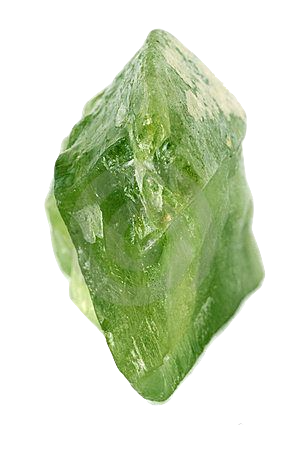
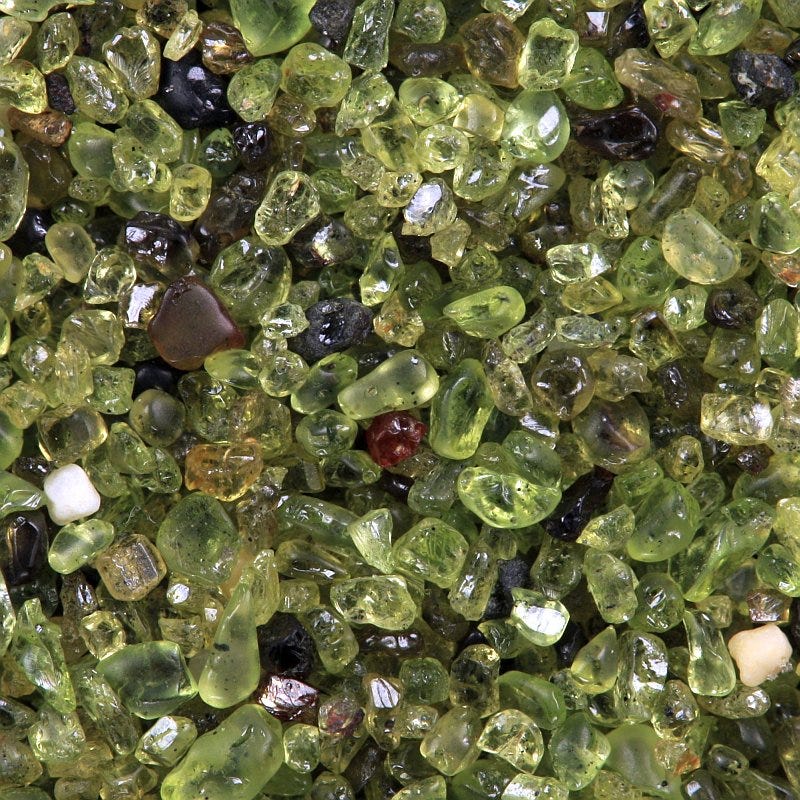
More surface area → faster chemical weathering
Grinding this mineral into a sand increases the surface area for these natural, carbon-sticking chemical reactions, thereby dramatically speeding up or "enhancing" the natural weathering process. It's most effective near the surface of the ocean, where the gas exchange happens and we have the best chance of drawing down more CO2. But to be able to add olivine to the open sea and have it dissolve quickly enough before sinking too low, it would need to be ground into teeny tiny pieces, which is very energy intensive.
Coastal Enhanced Silicate Weathering is a method that uses ocean wave energy for the final stages of weathering, which reduces energy costs and slows the rate of alkalization to be more easily adapted into the local waters.
Although this method can be used with other types of rock, Olivine has been found to weather faster and more completely than other minerals. Sterile lab environments have been conducted to predict the rate of dissolution, although early proponents of this method believe results can be seen much faster in nature, especially when applied in areas with soil bacteria and earthworms (such as tidal flats) or with wave action (like coasts).
Notable, Emerging & Ecosystem Players
- Project Vesta: Leading public benefit corporation with a pilot in Long Island and favorable economics. Using field trials to build robust MRV models and considering broad use cases for olivine such as restoration of blue carbon ecosystems.
- Green Sand: Has deployed 60,000 tons of olivine already
- Green Minerals: Dutch company creating a suite of products from olivine-sequestered CO2
- Scientists exploring how sequestering CO2 with Olivine can produce energy
Implications
In my view, olivine weathering is one of the stronger, multi-solving ideas out there and founded on the natural cycles that have proven to sequester more carbon than any other process in Earth's history. Because it's difficult to patent spreading rock on a coast, it is being tragically overlooked as a climate solution in favor of more complicated, patentable technology. Its low cost and well understood logistics coupled with a bullish carbon market make this an interesting pathway. Pilot tests are ongoing to refine the mechanisms and dissolution rate of olivine sand.
Social
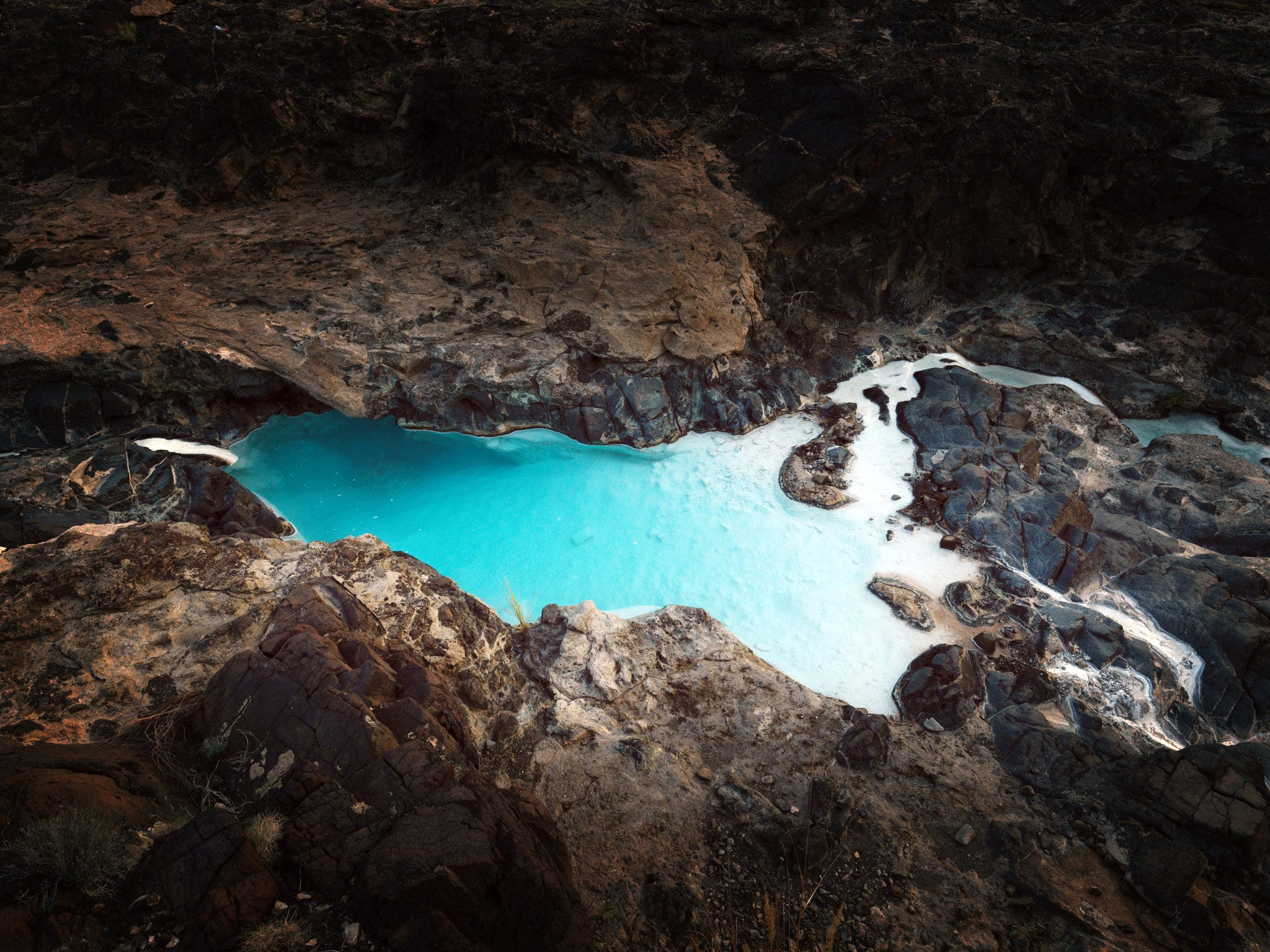
Olivine weathering research is being led by Project Vesta, an evidence-based nonprofit (+ recent public benefit corporation arm) with an independent review board and emphasis on community-led development. Their approach appears methodical, robust and scientifically led although impacts from their pilots have not yet been released.
Carbon streaming income from this method can support coastal economies and reinforce other revenue streams such as eco tourism.
An estimated 2 million people may be needed to mine and transport enough olivine to offset human emissions per year, mostly located in the tropics. It will be essential to consider environmental justice for the already vulnerable communities in these geographies.
Ecological
Advantages:
- Olivine is one of the most abundant elements on the planet constituting 50% of the Earth's upper mantle
- Mining olivine is very low waste
- Protects from coastal erosion
- Counteracts ocean acidification by reducing the CO2 concentration in the water, gradually over time
Challenges:
- Olivine is naturally present on the Earth's surface in some areas (notably Hawaii), but weathers quickly. Much available Olivine is below the Earth's surface and must be mined.
- Moving rock around the world is energy intensive and not self-perpetuating like a natural ecosystem
- Unknown impact of trace amounts of nickel & chromium within olivine, though ecological impact studies are graduating from successful lab tests into beach sites in the Caribbean
- Longer process than photosynthesis-driven CO2 capture
Economic
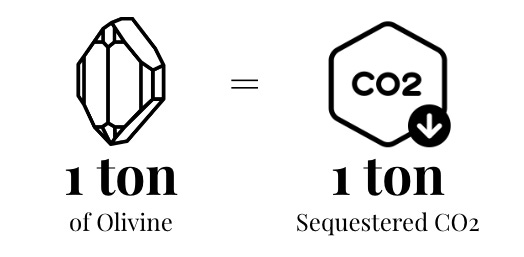
As a rule of thumb, it takes approximately 1 ton of olivine to sequester 1 ton of CO2.
Scale: This method taps into well understood mechanisms and supply chains within mining and beach replenishment (the process of dredging sand to protect beaches and beachfront properties). The scale potential is into the billions of tons per year, even when limited to warmer geographies.
Carbon offsets recently bought by Stripe at $75/ton with a line of sight to get costs down to $35/ton. This degree of permanence and other co-benefits could rightfully earn a premium.
Nerds Only
Deeper reading that shaped this work:
- What does the sand look like?
- Detailed assessment of Olivine scale & speed, Earth Systems Dynamics Discussion
- Enhanced Weathering Explainer in Anthropocene Magazine
- Project Vesta interview on Open Air's This is CDR
Let me know what you think of this pathway: by email or via DM on twitter.